
Andalusia is one of the oldest wine regions in Europe and, at the same time, one of the most diverse. Its wine history dates back more than three thousand years, when the Phoenicians and Romans were already cultivating vines in this extreme territory in the south of the peninsula. Today, that millenarian heritage is expressed through different Designations of Origin that reflect landscapes, climates and cultures that are profoundly different from each other.
To speak of the Andalusian wine appellations is not to speak of a single style, but of a mosaic of territories where unique fortified wines in the world, whites of great character, reds of altitude and elaborations linked to very specific soils and microclimates coexist. Understanding this diversity is key for any traveler or wine lover who wants to approach Andalusian wine with a complete view.
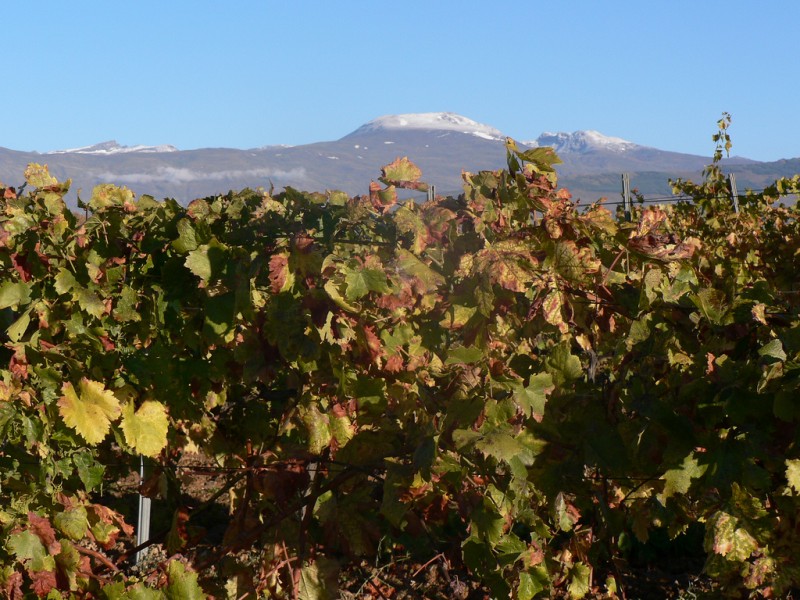
The Marco de Jerez: unrepeatable wines linked to the “albariza” variety
The Marco de Jerez is probably the best known Andalusian appellation at international level. Located in the southwest of Andalusia, in the area around Jerez de la FronteraIt is characterized by a fundamental element: the albariza soil.
This white soil, rich in calcium carbonate, acts as a natural sponge that retains winter moisture and releases it during the dry months. Thanks to it, unique fortified wines are produced, aged using biological and oxidative systems that do not exist anywhere else in the world.
Here are born dry, intense and complex wines, but also naturally sweet styles, always marked by the influence of the Atlantic and by an oenological tradition deeply rooted in the territory.

Montilla-Moriles: the power of the sun and Pedro Ximénez grapes
In the interior of the province of Cordoba is located the appellation of Montilla-MorilesThe continental climate and solar exposure mark the character of the wines.
Unlike other areas, here the Pedro Ximénez grape reaches an exceptional ripening directly in the vineyard, which allows the production of dry and generous wines without the need for fortification. The result is powerful, structured and richly aromatic wines.
Montilla-Moriles represents the purest expression of the Andalusian sun, with wines that combine strength, depth and a surprising capacity for aging.
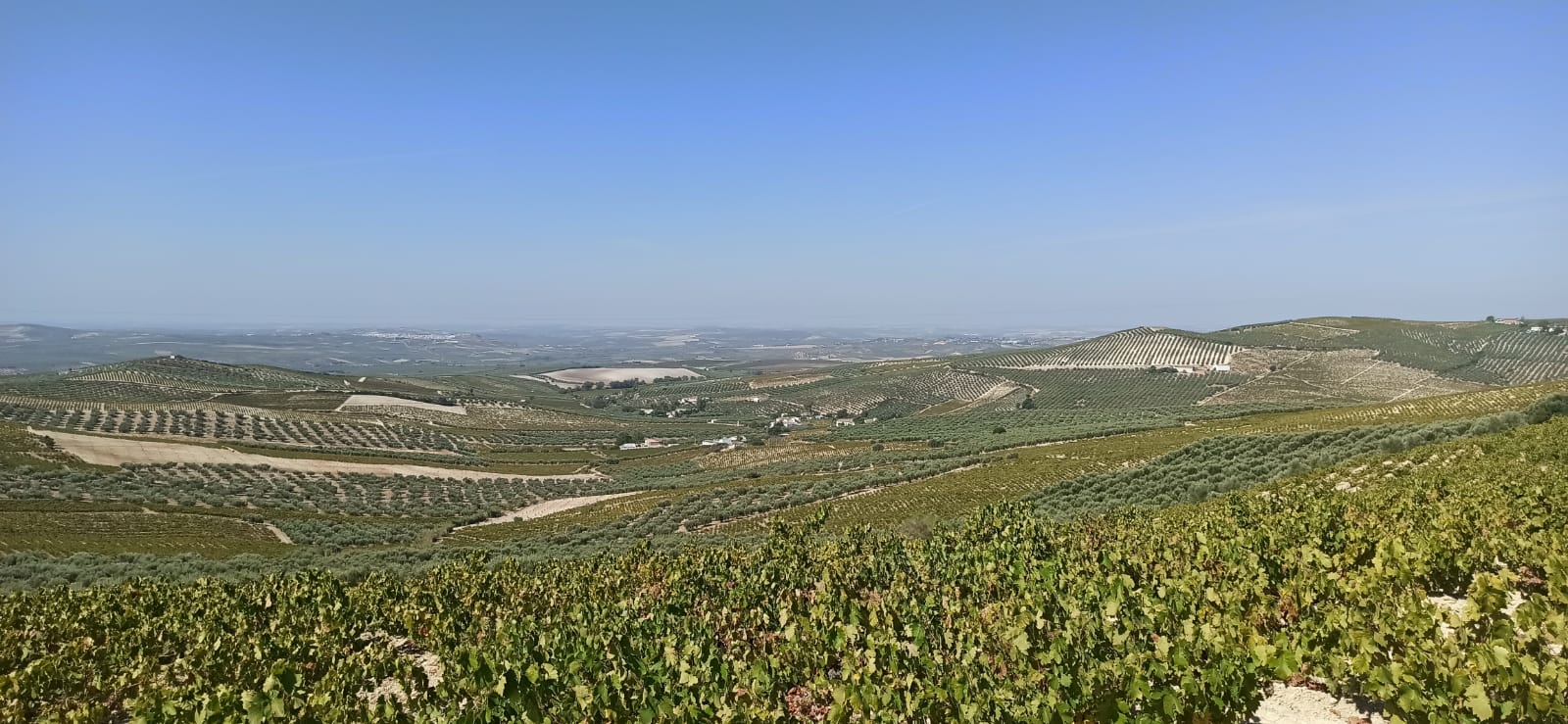
Condado de Huelva: Atlantic influence and wines of natural freshness
In the northwest of Andalusia, near the mouth of the Guadalquivir River and the Doñana National Park, lies the appellation of Condado del Huelva. Condado de Huelva. Here, the proximity to the Atlantic Ocean provides humidity, constant breezes and moderate temperatures.
Condado wines are characterized by their freshness, lightness and aromatic profile, traditionally made from white varieties adapted to the Atlantic climate. Historically, this area was of enormous commercial importance, especially in the 18th and 19th centuries.
Today, Condado de Huelva represents a subtler and fresher face of Andalusian wine, closely linked to the natural landscape that surrounds it.
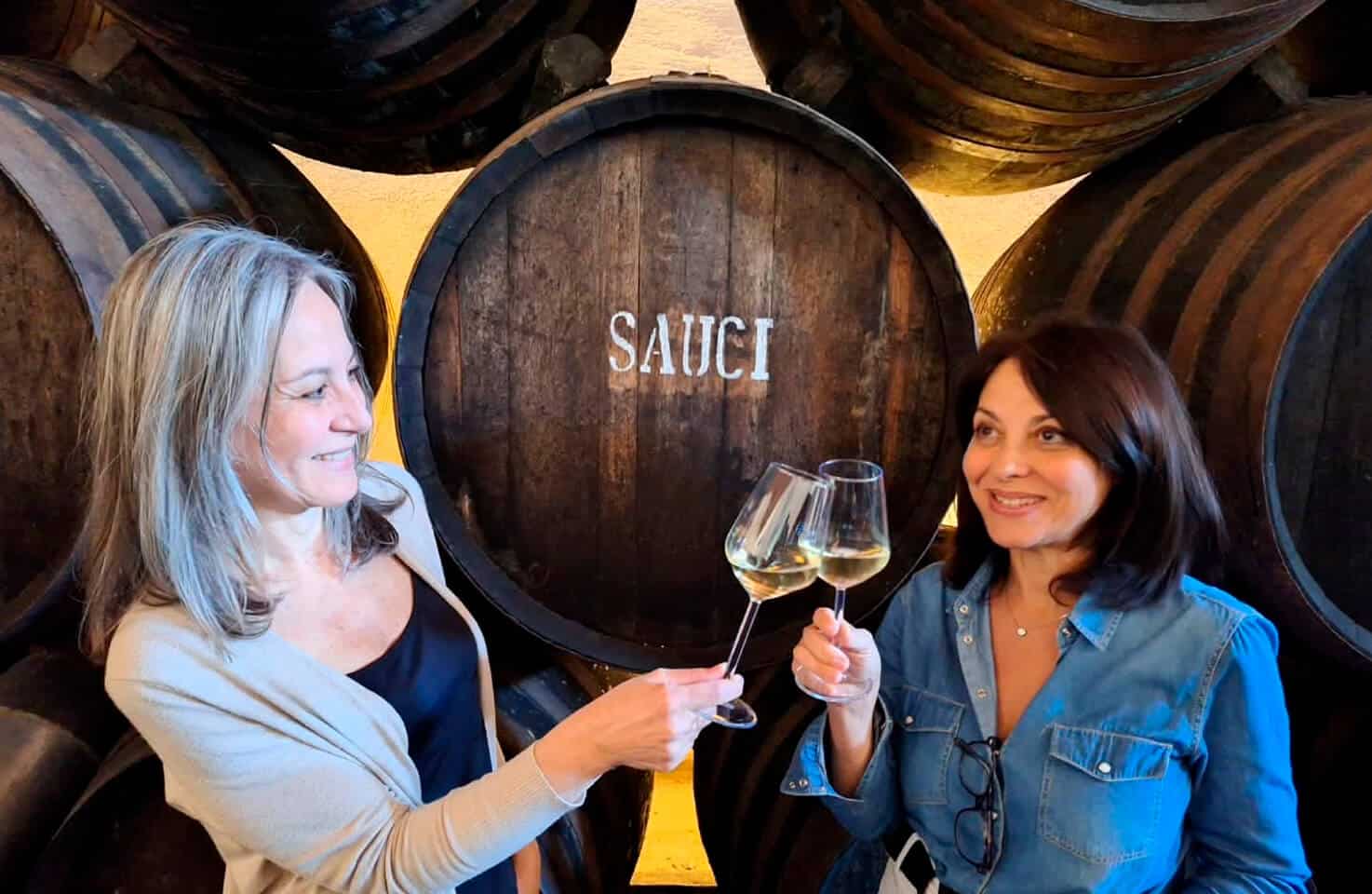
Malaga and Sierras de Malaga: from historical wine to contemporary renaissance
The province of Malaga is home to two complementary denominations: the historical one of Malaga and the more recent Sierras de Málaga.
For centuries, Malaga’s sweet wines enjoyed enormous international prestige. Poor soils, vineyards on impossible slopes and an extreme Mediterranean climate gave rise to naturally sweet, intense and long-lived wines.
In recent decades, the mountainous interior has driven a new generation of dry wines, whites and reds, made at higher altitudes. This duality makes Malaga one of the most dynamic territories of Andalusian wine, where tradition and renewal coexist naturally.
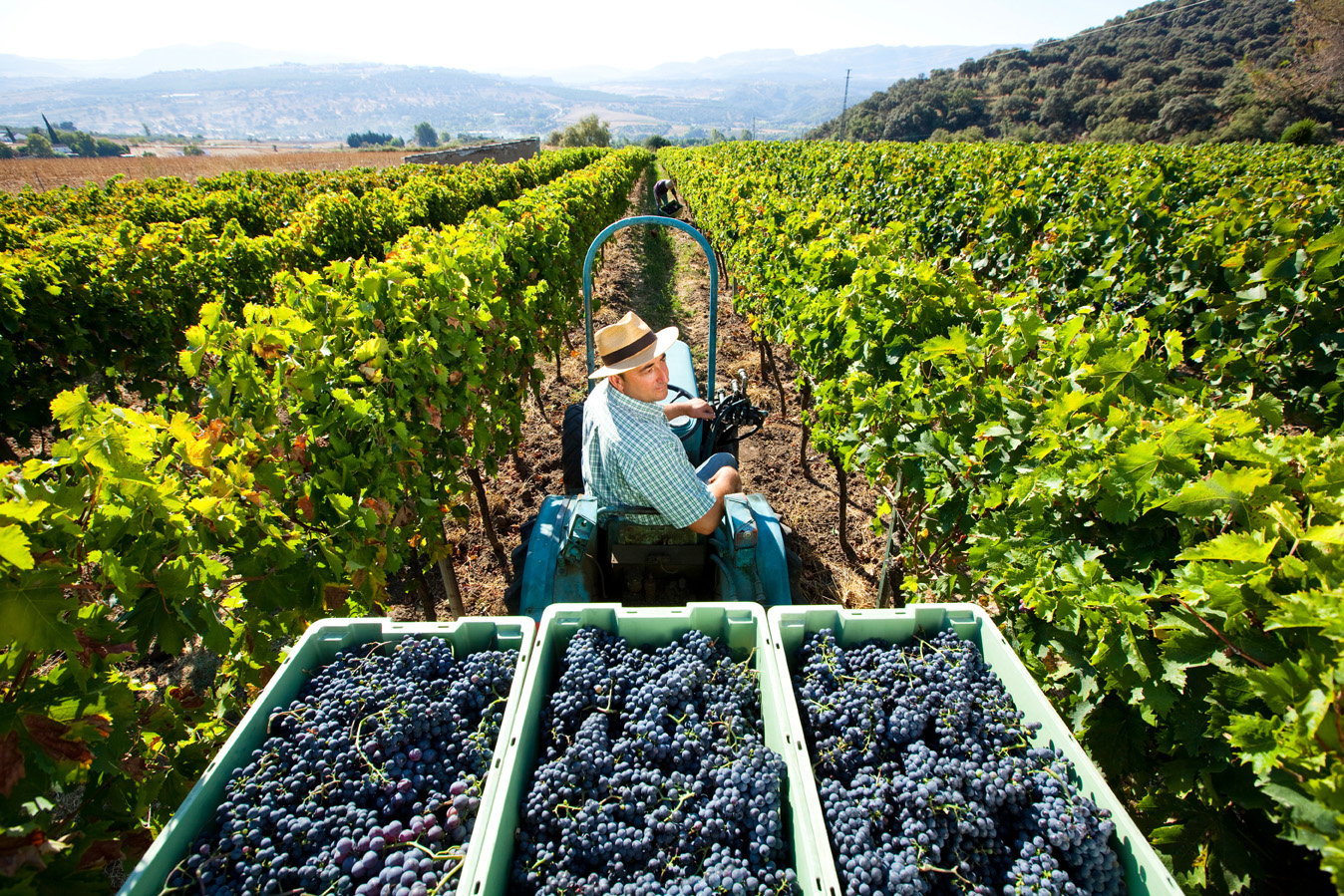
Wine as a cultural expression of Andalusia
Beyond styles and appellations, wine in Andalusia is a cultural expression. It is linked to the landscape, gastronomy, festivals and the way of understanding time and coexistence. It is not conceived as an isolated product, but as part of a broader experience.
Understanding Andalusian wines implies understanding their rhythms, their history and the relationship between human beings and a demanding territory.
Traveling through the Andalusian appellations: a reading of the territory
Touring the appellations of origin of Andalusia is a privileged way to read the landscape. Each area offers a different interpretation of the climate, soil and agricultural tradition. It is not just a matter of tasting wines, but of understanding the place that makes them possible.